
The Evolution of Cardiovascular Technology Training
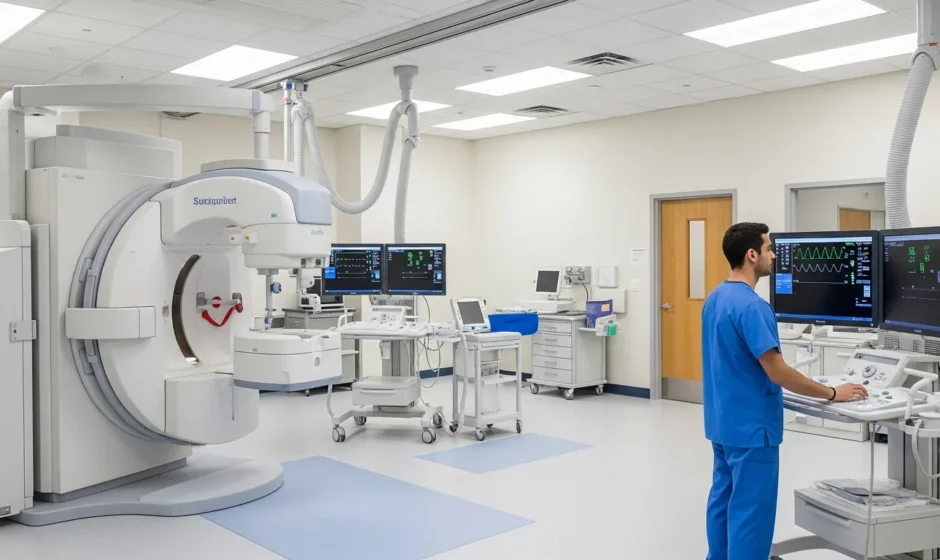
As we move through 2026, the demand for specialized medical professionals continues to rise. A cardiac catheterization laboratory (cath lab) technologist is a highly skilled professional who works alongside cardiologists to diagnose and treat heart disease. When a student chooses to enroll in a cath lab tech school, he is committing to a rigorous path that blends advanced imaging technology with direct patient intervention.
The role of a technologist in the modern lab has expanded. He is no longer just an assistant; he is a specialist who manages complex hemodynamic monitoring systems and ensures the precision of radiographic equipment. For a student looking at high-stakes technical environments, comparing these programs to the best technical institutions reveals a similar emphasis on hands-on proficiency and analytical thinking.
What to Look for in a Cath Lab Tech Program
Selecting the right school is the most critical step for an aspiring technologist. He must ensure that the institution is accredited by the Commission on Accreditation of Allied Health Education Programs (CAAHEP). Accreditation ensures that his education meets the national standards required to sit for the Registered Cardiovascular Invasive Specialist (RCIS) exam.
Key factors he should consider include:
- Clinical Affiliations: Does the school have partnerships with high-volume hospitals?
- Lab Equipment: Does the student have access to the latest fluoroscopy and intravascular ultrasound (IVUS) technology?
- Faculty Expertise: Are his instructors experienced practitioners who have spent years in the field?
To evaluate the quality of a potential program, a student should investigate the school’s academic performance indicator to see how well previous cohorts have performed on national certification exams. A high pass rate is a strong signal that the curriculum is aligned with industry needs.
The Curriculum: From Theory to the Scrub Sink
Cath lab tech school is typically a two-year journey leading to an Associate of Applied Science degree. During his first year, the student focuses on the fundamentals of anatomy, physiology, and pharmacology. He must master the intricacies of the cardiovascular system to understand how different pathologies affect blood flow and pressure.
In his second year, the focus shifts to invasive procedures. He will learn the art of sterile technique, how to prepare a patient for a procedure, and the nuances of catheter manipulation. This phase of his education is often the most challenging, as he must learn to maintain his composure in a fast-paced, high-pressure environment where every second counts.
Clinical Rotations and Real-World Experience
No amount of classroom learning can replace the experience a student gains during his clinical rotations. This is where he steps into the hospital setting and begins to apply his knowledge under the supervision of a mentor. He will observe complex cases, from diagnostic heart caths to emergency interventions for myocardial infarctions.
During these rotations, the student builds his professional network. He demonstrates his work ethic and technical aptitude to potential employers. By the time he completes his hours, he should feel confident in his ability to operate the equipment and anticipate the needs of the cardiologist he assists.
Career Outlook and Certification in 2026
Upon graduation, the technologist is eligible to sit for the RCIS credential. This certification is the gold standard in the industry and proves that he possesses the knowledge and skills necessary to provide high-quality care. In 2026, the job market for these specialists remains robust, with competitive salaries and opportunities for advancement into lead tech or lab management roles.
As technology in the medical field continues to advance, the technologist must commit to lifelong learning. He will need to stay updated on new device technologies and evolving procedural techniques to remain at the top of his field. His journey begins in school, but his education continues with every patient he helps treat.
Frequently Asked Questions
How long does it take to complete cath lab tech school?
Most programs take approximately two years to complete, resulting in an Associate degree. Some schools offer accelerated certificate programs for those who already hold a degree in a related field like radiography.
Is the RCIS certification mandatory?
While requirements vary by state and employer, most top-tier hospitals require their technologists to obtain the Registered Cardiovascular Invasive Specialist (RCIS) credential within a year of hire.
What is the average salary for a cath lab tech in 2026?
Due to the specialized nature of the work, a technologist can expect a competitive salary. In 2026, the average pay ranges from $75,000 to over $100,000 annually, depending on his location and years of experience.
Can I transition from radiology to the cath lab?
Yes, many technologists begin their careers as Radiologic Technologists (RT). He can then choose to specialize in the cath lab by completing additional clinical training and passing the vascular-interventional or invasive cardiovascular exams.