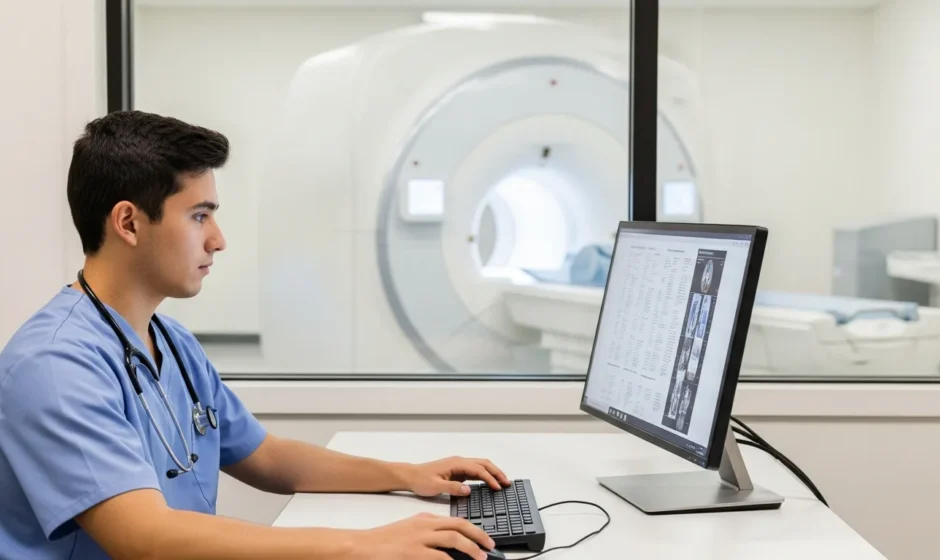

Understanding the Landscape of MRI Tech Programs
As medical diagnostics become increasingly reliant on sophisticated imaging, the demand for skilled Magnetic Resonance Imaging (MRI) technologists has reached a new peak. For a student looking to enter this field in 2026, selecting the right educational path is the most critical decision he will make. MRI tech programs are designed to provide a deep understanding of human anatomy, the physics of magnetism, and the technical skills required to operate high-end machinery.
When a prospective student begins his search, he must distinguish between certificate programs, associate degrees, and bachelor’s degrees. Each path offers a different level of depth and long-term career flexibility. While a certificate might offer a faster route for someone already working in radiologic technology, a full degree program often provides the comprehensive background needed for leadership roles in healthcare technology consulting and clinical solutions.
Types of MRI Educational Pathways
Choosing a program depends largely on a candidate’s current educational background and his long-term professional goals. The industry typically recognizes three primary routes:
- Associate of Applied Science (AAS): This is the most common entry point. Over two years, the student gains a mix of general education and specialized MRI training.
- Bachelor’s Degree: A four-year program that offers more extensive training in healthcare management and advanced imaging techniques, positioning him for higher-tier administrative roles.
- Post-Primary Certificates: Designed for those who already hold a degree in radiologic technology. This allows a technician to add MRI as a specialized credential to his existing portfolio.
While some students might wonder how long ultrasound tech school takes in comparison, MRI programs generally follow a similar timeline, ranging from 18 months to four years depending on the depth of the curriculum and the student’s prior credits.
The Importance of JRCERT Accreditation
Not all MRI tech programs are created equal. A student must ensure that his chosen institution is accredited by the Joint Review Committee on Education in Radiologic Technology (JRCERT). Accreditation is a hallmark of quality, ensuring that the curriculum meets rigorous industry standards for safety and efficacy.
Furthermore, graduating from an accredited program is often a prerequisite for sitting for the American Registry of Radiologic Technologists (ARRT) certification exam. Without this credential, a technician may find his employment opportunities severely limited, as most hospitals and private clinics require ARRT certification to ensure he can provide the highest standard of patient care.
Core Curriculum and Clinical Experience
A robust MRI program balances classroom theory with hands-on clinical experience. In the classroom, the student will master the complexities of imaging physics, cross-sectional anatomy, and patient safety protocols. He must understand how magnetic fields interact with the human body and how to manipulate pulse sequences to produce the clearest possible images.
The clinical component is where the student applies his knowledge in a real-world setting. Under the supervision of experienced technologists, he will learn to:
- Position patients correctly for various types of scans.
- Screen patients for metal implants or contraindications.
- Administer contrast agents safely.
- Operate the MRI console to capture precise diagnostic data.
Career Outlook and Earning Potential in 2026
The career outlook for MRI technologists remains exceptionally strong. As the population ages and the prevalence of chronic conditions increases, the need for non-invasive diagnostic tools grows. A technician who has completed a high-quality program and secured his certification can expect a competitive salary and excellent job security.
He may find himself working in a variety of environments, from fast-paced Level 1 trauma centers to quiet, specialized outpatient imaging clinics. As he gains experience, he can further specialize in areas like cardiac MRI or neuroimaging, further increasing his value in the medical technology marketplace.
Frequently Asked Questions
How long does it take to complete an MRI tech program?
The duration depends on the path chosen. An associate degree typically takes two years, while a bachelor’s degree takes four. Certificate programs for existing radiologic techs can often be completed in 12 to 18 months.
Is a career in MRI technology difficult?
It requires a strong grasp of science and physics, as well as excellent interpersonal skills. A technician must be detail-oriented to ensure patient safety and image quality, but for the right individual, it is a highly rewarding technical career.
Do I need a license to work as an MRI tech?
Requirements vary by state, but most employers require certification through the ARRT. Many states also have specific licensing requirements that a technician must meet before he can legally practice.
What is the difference between an MRI tech and a Radiologic tech?
A radiologic technologist typically works with X-rays and CT scans, which use ionizing radiation. An MRI technologist specializes in using magnetic fields and radio waves. Many MRI techs begin their careers as radiologic techs before specializing.