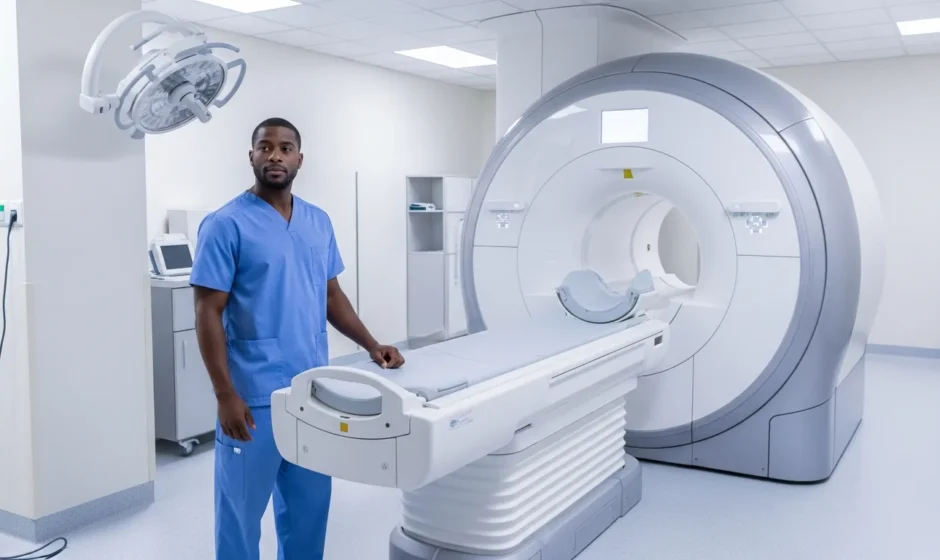

Understanding the MRI Technologist Financial Landscape
As we move through 2026, the demand for sophisticated diagnostic imaging continues to surge. Magnetic Resonance Imaging (MRI) remains a cornerstone of modern medicine, and the professionals who operate these complex machines are compensated accordingly. An MRI tech salary reflects the high level of technical expertise and patient care required in this specialized field.
For a professional entering this space, he can expect a stable career path with significant upward mobility. The financial rewards are often higher than those of general radiologic technologists due to the specialized nature of the equipment and the precision required to produce high-quality diagnostic images.
Average MRI Tech Salary in 2026
Nationally, the median annual wage for MRI technologists has seen a steady increase. In 2026, the average salary typically ranges between $82,000 and $98,000, depending on the specific setting and geographic location. Those in the top 10th percentile, often those with extensive experience or specialized certifications, can see their earnings exceed $115,000 annually.
Hourly rates are equally competitive. A seasoned technologist often commands between $40 and $55 per hour. When he works in high-demand environments like Level 1 trauma centers or private specialty clinics, he may also benefit from shift differentials and overtime opportunities that significantly boost his take-home pay.
Key Factors Influencing Earnings
Several variables dictate where a professional falls on the pay scale. Understanding these can help a technologist strategize his career moves to maximize his income.
- Geographic Location: States with higher costs of living, such as California, New York, and Massachusetts, consistently offer the highest salaries to attract and retain talent.
- Years of Experience: An entry-level tech will start at a lower base, but his value increases exponentially after the first five years of clinical practice.
- Certification and Education: Before reaching the peak of his earning potential, a candidate must complete one of the accredited MRI tech programs to gain the necessary clinical experience and eligibility for ARRT certification.
- Work Setting: Outpatient care centers and specialty hospitals often pay more than general state or local hospitals.
Top Paying States for MRI Technologists
Location remains the most significant factor in salary variance. In 2026, the following states lead the country in compensation for MRI professionals:
- California: Known for its robust healthcare unions and high demand, a tech here often earns well above the national average.
- Washington: The Pacific Northwest continues to see a boom in medical technology roles.
- Hawaii: While the cost of living is high, the compensation packages are designed to be competitive.
- Massachusetts: Home to some of the world’s leading research hospitals, this state offers premium pay for top-tier talent.
MRI Salary vs. Other Imaging Modalities
When comparing different paths within diagnostic imaging, MRI technology stands out as one of the more lucrative options. While a general X-ray technician provides a vital service, his specialized counterpart in the MRI suite typically earns 15-25% more. It is also helpful to compare these figures with other modalities; for instance, understanding how much an ultrasound technician earns can provide a broader perspective on the diagnostic imaging field and help a student decide which path fits his financial goals.
The Role of Advanced Certifications
A technologist who seeks to increase his marketability will often pursue post-primary certifications. By adding Computed Tomography (CT) or Mammography to his credentials, he becomes a multi-modality asset. Hospitals value a professional who can pivot between different types of imaging, often rewarding him with a “lead tech” title and a corresponding salary bump.
In 2026, the integration of AI-assisted imaging tools has also created a niche for “AI-Enhanced Imaging Specialists.” A technologist who masters these new software platforms can negotiate a higher salary because he reduces the workload on radiologists and increases throughput in the imaging department.
Frequently Asked Questions
What is the starting salary for an MRI tech in 2026?
An entry-level MRI technologist can expect to start around $65,000 to $72,000 per year, depending on his location and the size of the facility where he is employed.
Do MRI techs get paid more than CT techs?
Generally, MRI technologists earn slightly more than CT technologists because the physics of MRI is more complex and the scans typically take longer, requiring more intensive patient management from the professional.
How can an MRI technologist increase his salary?
He can increase his earnings by relocating to a high-demand state, obtaining additional certifications, moving into a management role, or working as a travel technologist, which often includes tax-free housing stipends.
Is the job outlook for MRI techs good for the next decade?
Yes, the Bureau of Labor Statistics continues to project faster-than-average growth for this field as the aging population requires more diagnostic imaging to manage chronic conditions.