
The Shift Toward Intelligent Infrastructure
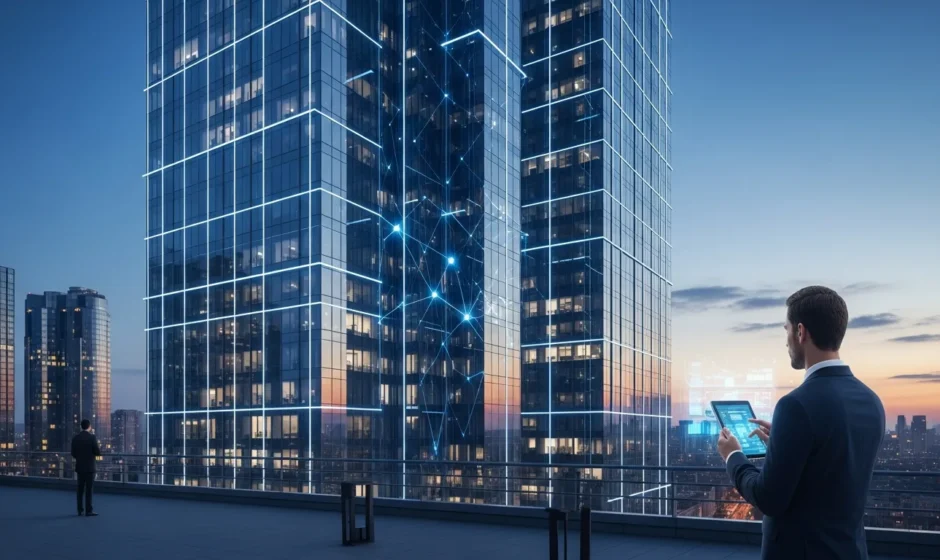
As we navigate through 2026, the concept of a building has evolved from a static structure to a dynamic, living ecosystem. Smart building solutions are no longer just a luxury for high-end corporate headquarters; they have become a fundamental requirement for operational efficiency and sustainability. By integrating advanced sensors, automation, and real-time data analytics, these systems allow a property owner to gain unprecedented control over his environment.
The core of this transformation lies in the seamless communication between various subsystems. When a facility manager implements these technologies, he is not just installing hardware; he is creating a responsive network that anticipates the needs of its occupants while minimizing waste. This integration is a critical component of the broader smart city technologies and solutions that are currently reshaping urban landscapes globally.
Key Components of a Smart Building Ecosystem
To understand the impact of these solutions, one must look at the individual parts that make the whole system intelligent. These components work in harmony to collect data and execute commands based on pre-defined logic or AI-driven insights.
Advanced Occupancy Sensing
Modern sensors do more than just turn lights on when someone enters a room. They track movement patterns and density, allowing the system to adjust airflow and temperature based on the number of people present. If a manager notices that certain zones are consistently underutilized, he can reconfigure his floor plan to better serve his team.
Integrated HVAC and Lighting Control
Heating, ventilation, and air conditioning (HVAC) are typically the largest energy consumers in any commercial property. Smart solutions use predictive algorithms to manage these loads. By analyzing external weather forecasts and internal heat maps, the system ensures comfort without unnecessary power consumption, significantly contributing to the positive impact of green technology innovations on the bottom line.
The Role of Data Analytics in Facility Management
The true power of a smart building is found in its data. Every sensor and connected device generates a constant stream of information. For the modern engineer, this data provides a roadmap for preventive maintenance. Instead of waiting for a boiler to fail, he receives an automated alert when the system detects a performance anomaly, allowing him to address the issue before it disrupts the building’s operations.
Predictive maintenance reduces downtime and extends the lifespan of expensive mechanical assets. By leveraging cloud-based platforms, a technician can monitor multiple properties from his tablet, ensuring that every piece of equipment is running at peak efficiency regardless of his physical location.
Enhancing Security and Access Control
Security is a primary concern for any stakeholder. Smart building solutions have moved beyond traditional locks and keys. Biometric scanners, facial recognition, and mobile-based credentials allow an administrator to manage access rights with precision. If an employee leaves the company, the administrator can instantly revoke his access across all facilities with a single click, ensuring the perimeter remains secure.
Furthermore, integrated surveillance systems use AI to distinguish between routine activity and potential threats. When an unauthorized entry is detected, the system can automatically lock down specific zones and notify the security lead on his mobile device, providing him with real-time video feeds to assess the situation immediately.
The Economic Case for Smart Building Investments
While the initial investment in smart technology can be significant, the long-term ROI is undeniable. Property owners see a reduction in utility costs, lower insurance premiums due to enhanced security, and higher tenant retention rates. In 2026, a tenant is more likely to sign a long-term lease if he knows the building supports his own sustainability goals and provides a high-tech, comfortable working environment.
Frequently Asked Questions
What is the primary goal of smart building solutions?
The primary goal is to automate and optimize building operations—such as lighting, heating, and security—to improve energy efficiency, reduce costs, and enhance the comfort and safety of occupants.
How do these solutions contribute to sustainability?
By using real-time data to manage energy consumption, smart buildings significantly reduce carbon footprints. They ensure that resources like electricity and water are only used when and where they are actually needed.
Can older buildings be retrofitted with smart technology?
Yes, many modern smart building solutions are designed for retrofitting. Wireless sensors and IoT gateways allow a facility manager to upgrade his existing infrastructure without the need for extensive rewiring.
What role does AI play in smart buildings?
AI acts as the “brain” of the building. It analyzes historical data to predict future needs, automates complex decision-making processes, and enables predictive maintenance for mechanical systems.