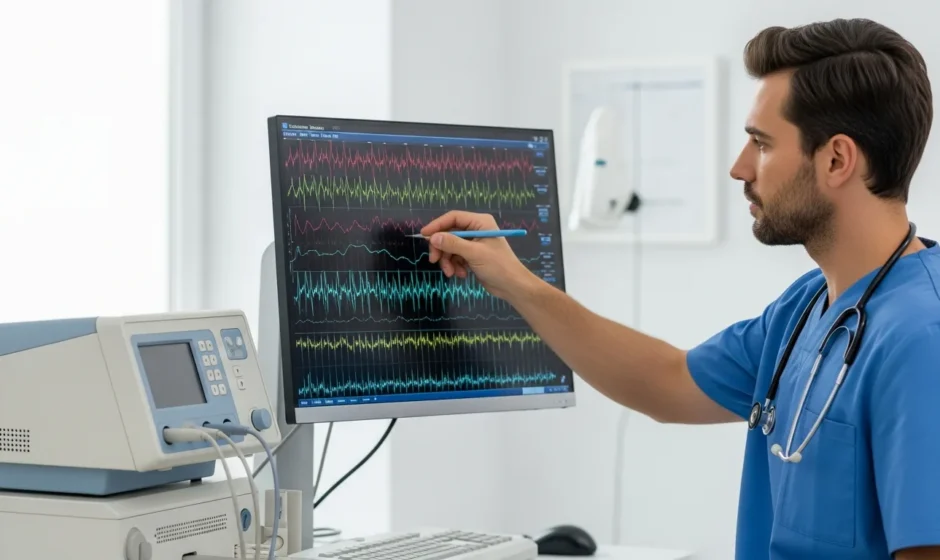

Understanding the EEG Technician Salary Landscape
As we move through 2026, the demand for specialized neurodiagnostic professionals continues to rise. An Electroencephalogram (EEG) technician plays a critical role in the healthcare system by monitoring brain activity to help diagnose conditions like epilepsy, sleep disorders, and brain tumors. For a professional entering this field, understanding the EEG tech salary structure is essential for long-term career planning.
The financial compensation for these experts is influenced by several factors, including his level of education, geographic location, and specific certifications. On average, a neurodiagnostic technologist in the United States can expect a competitive wage that reflects the technical complexity of his daily tasks.
Average EEG Tech Salary in 2026
Currently, the national average for an EEG technician ranges between $58,000 and $76,000 per year. Entry-level positions typically start at the lower end of this spectrum, while those with several years of clinical experience or specialized credentials can command significantly higher pay.
- Entry-Level: $48,000 – $55,000
- Mid-Career: $62,000 – $72,000
- Senior/Lead Tech: $80,000+
- Hourly Rates: Usually range from $28 to $42 per hour depending on the shift and facility type.
Similar to those pursuing a cath lab tech career path, an EEG professional must undergo rigorous clinical training and often works in high-pressure environments, which justifies the upward trend in compensation seen over the last few years.
Key Factors That Influence Earnings
Not every technician earns the same amount; the variance is often tied to his specific professional profile. Here are the primary drivers of salary growth in the neurodiagnostic field:
1. Geographic Location
Location remains one of the most significant variables. Technicians working in major metropolitan hubs or states with a high cost of living, such as California, New York, or Massachusetts, often see salaries that are 15-25% higher than the national average. Conversely, those in rural areas may see lower base pay but benefit from a lower cost of living.
2. Certification and Education
A technician who has earned his R. EEG T. (Registered EEG Technologist) credential through ABRET typically earns a premium. Facilities value the standardized knowledge and commitment to excellence that a certified professional brings to the team. Furthermore, holding an Associate or Bachelor’s degree in neurodiagnostics or health science can open doors to leadership roles.
3. Type of Healthcare Facility
Where a technician spends his day matters. Large university-affiliated research hospitals often pay more than small private neurology clinics. However, private labs may offer better hours and more predictable schedules compared to the on-call requirements of a major trauma center.
The Role of Technology in Salary Growth
The integration of AI and remote monitoring tools has changed how an EEG tech performs his duties. As the industry shifts toward more advanced assistive technology, the role of the neurodiagnostic technician becomes even more vital. He is no longer just a button-pusher; he is a data analyst who ensures the integrity of the neurological data being fed into diagnostic algorithms.
Technicians who stay updated with the latest hardware and software developments are often the first in line for raises and promotions. His ability to troubleshoot complex digital systems makes him indispensable to the neurology department.
Advancing Your Career as an EEG Tech
If a technician wishes to maximize his earning potential, he should consider specializing. Moving into areas like Intraoperative Neuromonitoring (IONM) or Long-Term Monitoring (LTM) for epilepsy patients can lead to six-figure salaries. These roles require higher levels of responsibility, often involving real-time monitoring of a patient’s brain function during surgery to prevent permanent damage.
Frequently Asked Questions
What is the starting salary for an EEG tech in 2026?
Most new graduates can expect a starting salary of approximately $52,000, though this can be higher in states like New York or Washington where the demand for medical staff is high.
Does certification increase an EEG tech’s pay?
Yes, becoming a Registered EEG Technologist (R. EEG T.) usually results in an immediate salary bump and makes a technician much more competitive for senior-level positions.
Are EEG technicians in high demand?
Absolutely. With an aging population and better diagnostic tools for neurological disorders, the Bureau of Labor Statistics continues to project steady growth for this profession through the end of the decade.
Can an EEG tech work from home?
While the initial setup requires the technician to be with the patient, some senior techs now work in remote monitoring centers where they analyze data feeds from multiple hospitals simultaneously, offering more flexible work environments.