
The Evolution of Computer Vision Solutions in the Modern Era
In 2026, computer vision solutions have transitioned from experimental laboratory projects to the backbone of global industrial operations. These systems allow machines to interpret and understand the visual world, mimicking the human visual system but with far greater precision and speed. By utilizing sophisticated sensors and deep learning algorithms, a business leader can now gain real-time insights into his production lines, logistics, and security protocols.
The integration of these technologies is not merely about automation; it is about cognitive enhancement. When a developer builds a visual recognition system, he focuses on training models that can identify microscopic defects or track complex movements across a crowded floor. This level of detail is essential for any enterprise looking to maintain its competitive edge in an increasingly digital marketplace.
Key Applications Driving Industry Growth
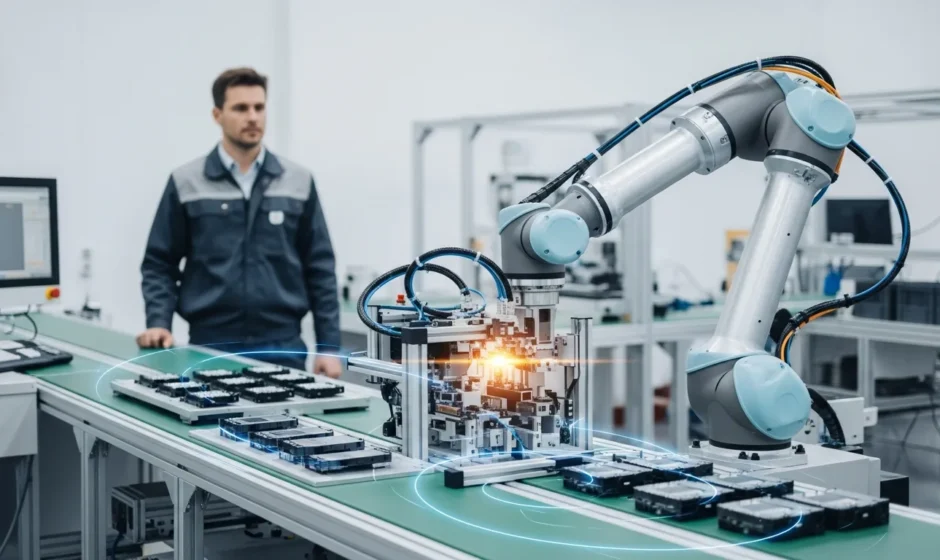
Computer vision solutions are being deployed across a diverse range of sectors, each finding unique ways to leverage visual data. In manufacturing, these systems act as tireless inspectors. An engineer can set up high-speed cameras that scan thousands of parts per minute, ensuring that every item meets his exact specifications. This reduces waste and significantly lowers the cost of quality control.
In the realm of urban planning and infrastructure, these solutions are equally transformative. For instance, when a project manager seeks to optimize traffic flow or public safety, he might integrate visual sensors into smart city initiatives to monitor congestion patterns and respond to incidents in real-time. This proactive approach ensures that resources are allocated efficiently across the urban landscape.
Advancing Research and Development
The research behind these visual systems often overlaps with broader computational fields. A specialist in this area frequently relies on applied computer technologies to refine the neural networks that power image classification. By focusing on high-performance computing, he can reduce the latency of visual processing, allowing for instantaneous decision-making in critical environments like autonomous transport or surgical robotics.
The Role of Edge Computing in Visual Analytics
One of the most significant shifts we have seen in 2026 is the move toward edge-based computer vision solutions. Rather than sending massive amounts of video data to a centralized cloud, the processing now happens directly on the device. This shift is crucial for applications where every millisecond counts. A security professional, for example, benefits from a system that can identify a breach locally and trigger an alarm before the data even reaches his main server.
- Reduced Latency: Immediate processing for time-sensitive tasks.
- Bandwidth Efficiency: Only relevant metadata is sent to the cloud.
- Enhanced Privacy: Sensitive visual data stays on-site.
- Reliability: Systems continue to function even if the primary network fails.
Overcoming Implementation Challenges
Despite the clear benefits, implementing computer vision solutions requires a strategic approach. A CTO must evaluate his existing hardware to ensure it can handle the computational load of modern AI models. Furthermore, he must address the challenge of data diversity. A model trained in a well-lit lab may struggle when he deploys it in a dark warehouse or an outdoor environment with shifting weather conditions.
To mitigate these risks, many organizations are adopting iterative testing phases. The lead developer will typically run simulations to see how his model performs under various stressors. This ensures that when the system goes live, it provides the reliability and accuracy required for high-stakes industrial applications.
Frequently Asked Questions
What are computer vision solutions?
Computer vision solutions are AI-driven systems that enable computers to derive meaningful information from digital images, videos, and other visual inputs. They allow a machine to ‘see’ and act upon what it perceives.
How does a business benefit from computer vision?
A business owner can use these solutions to automate quality control, enhance security, and optimize logistics. By reducing human error and increasing processing speed, he can significantly improve his bottom line.
Is edge computing necessary for computer vision?
While not strictly necessary for all tasks, edge computing is highly recommended for real-time applications. It allows the user to process visual data locally, ensuring faster response times and better data security for his operations.
What hardware is required for these solutions?
Typically, a robust setup includes high-resolution cameras, specialized GPUs or TPUs for processing, and reliable networking hardware. An IT manager must ensure his infrastructure is capable of supporting the high data throughput required by these systems.